



Reusable packaging isn’t new, but the concept is gathering renewed momentum as sustainability pressures grow. Four enablers could help leaders overcome current barriers and scale beyond the niche.
Refillable or reusable packaging1 is likely the oldest packaging solution still in play. Since the emergence of single-use packaging, it has been widely displaced as the focus has switched to other areas, such as brand differentiation needs, convenience, and cost efficiency. Today, reusable packaging is mostly used in selective segments within a few countries: for example, refillable beverage bottles. However, global sustainability pressure from regulatory authorities and consumers is leading to renewed interest in reusable solutions within the packaging value chain. Several new start-ups and pilot solutions have been launched, but we have yet to see any significant scale beyond a specific segment or country. Without a change in trajectory, we forecast the global market to reach only 5 percent penetration or less by 2030, although this will vary by region and end use.
One simple explanation for this is that there are several limiting factors within the current packaging value chain, mainly linked to acceptance, lack of infrastructure, regulatory push for overall packaging reduction, product safety, and cost. Nevertheless, several accelerators could help reusability to scale significantly beyond current penetration and become a disruptor in packaging, fostering brand loyalty. These include increased consumer demand for truly circular solutions, regulation promoting reuse, and adaptation of products and stores to accommodate reusable packaging. Consequently, reusable packaging is currently at a crossroads, destined either to remain a niche solution or to go on to scale as the new standard for certain segments. In this context, we have identified four enablement areas that, if correctly addressed, could dramatically help to boost the penetration of reusable packaging over the next decade.
Reusable packaging undergoing a revival
It is easy to forget that reusable containers and bottles used to be the standard packaging format historically. Large refill systems were in place during the past century for milk, wine, and other beverages. As single-use packaging was introduced and optimized—becoming both a more cost-efficient option and a means of differentiation for brands—reusable packaging was displaced except in certain geographies (such as the Nordic countries, Germany, and Latin America, with deposit systems in place for bottles) and specific segments (for example, water and soft drinks). Now, with consumers’ rising sustainability concerns2 and regulatory pressure3 over single-use packaging (particularly for products with low circularity and high leakage into the environment), interest in reusable packaging has grown dramatically once again. In fact, several countries have started to impose national single-use bans, taxes, and quotas promoting the adoption of reusable packaging; examples include the following:
France. Specific reuse targets have been introduced (5 percent by 2023 and 10 percent by 2027) with an increased focus on standardization of containers as an enabler; there will also be a ban on premises serving via single-use solutions from January 2023.- Germany. Restaurants, bistros, and cafes that sell food or drinks “to go” are obliged to also offer their products in reusable packaging from 2023.
- South Korea. Disposable cup deposits for coffee shops and fast-food outlets were introduced in 2022.
In addition, we have observed a significant increase in the number of start-ups developing reusable packaging, which is now being piloted—typically in food and food service end-use areas and also in new segments such as beauty and personal care (with refill pouches) and in e-commerce. Nevertheless, these introduced solutions remain niche and are typically linked to premium products.4 What, then, are the barriers to scaling, how large could reusable packaging become, and what enablers need to be in place? In the following sections, we address these questions and suggest key focal points for industry leaders to address if reusable packaging is to scale beyond current usage.
Current barriers and trajectory for reusable solutions
Reusable packaging can be divided into four different solutions5 :
- Refill at home. Users refill their reusable containers at home (for example, shampoo pouches and durable aluminum or glass bottles for refilling at home).
- Return from home. Packaging is collected from home by a pickup service (for example, by a logistics company).
- Refill on the go. Users refill their reusable containers away from home (for instance, at an in-store dispensing system).
- Return on the go. Users return the packaging to a store or drop-off point (such as a deposit-and-return machine or mailbox).
However, all four concepts currently face several barriers mainly linked to cost, supply chain, acceptance, and food safety (for further details, see the sidebar “Reusable packaging solutions face multiple barriers”).
Given current barriers and pace of development, we project that reusable packaging as a base case would reach only 5 percent share or less of the global packaging market by 2030 within a handful of segments that offer a clear rationale for further penetration:
- Beverages. Existing deposit-and-return systems form a basis for wider adoption of reusable glass or plastic containers.
- Food service. Take-away food-standard container loops are in their infancy but have the potential to spread across large cities. Quick-service restaurants are reacting to sustainability pressures and running trial solutions (for example, this is becoming mandatory in Paris, France).
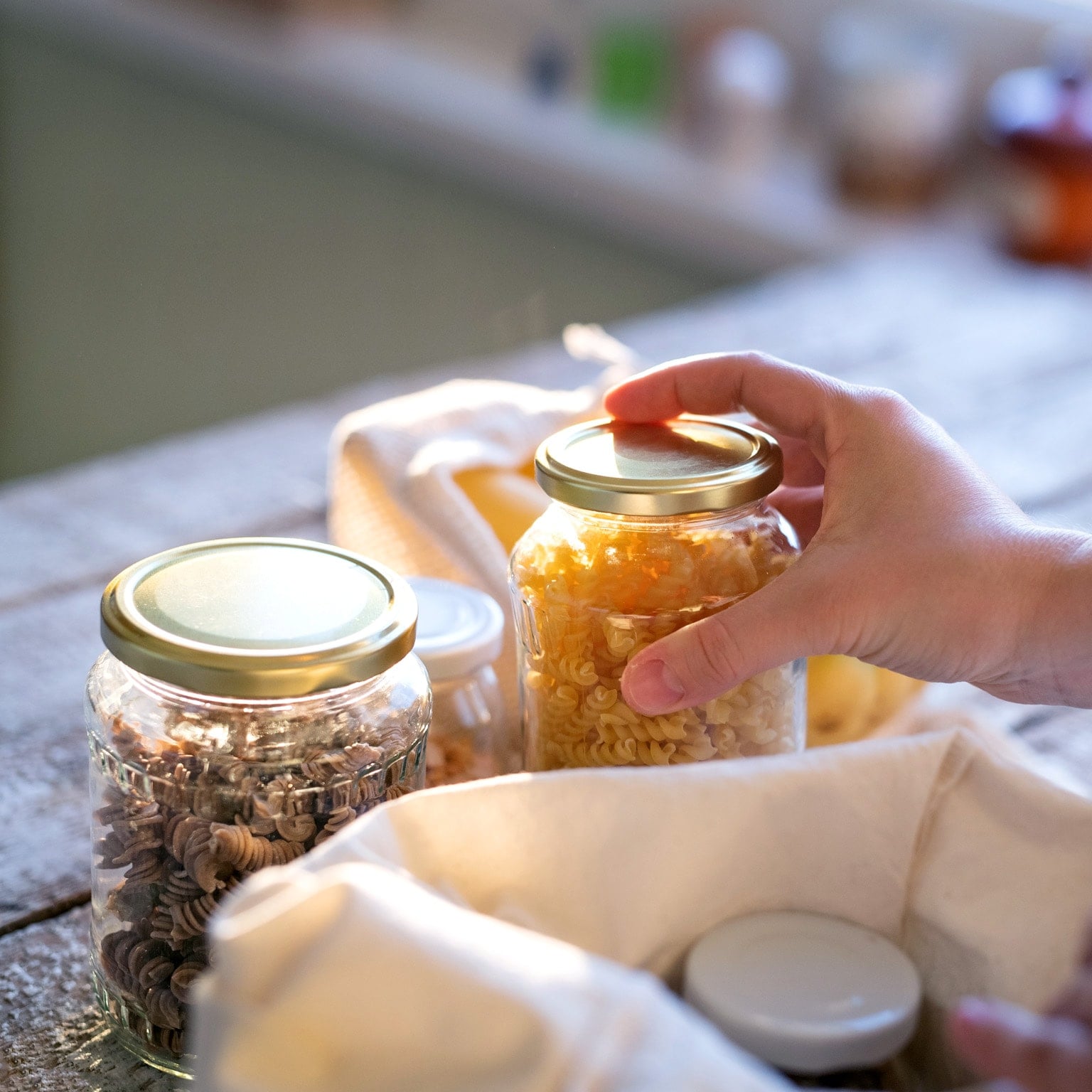
- Packaged food. In particular, this applies to low- no-barrier property items like dry bulk products (such as rice, flour, and pasta).
- Home care. Currently, there is limited uptake complementing refill/concentrate formats for standard bulk products (such as detergent).
- E-commerce packaging. The rapid increase of e-commerce during the pandemic poses an extra focus on e-commerce packaging to be more sustainable and generate less waste in consumers’ homes. Reusable packaging can be one route ahead.
- Retail secondary packaging/transport packaging. Many food products could be delivered to retail stores in reusable crates (for example, SRS6 crates in Sweden that became a standard 20 years ago).
Development up to 2030 remains uncertain, and a handful of accelerators—consumer demand, legislation, industry standards, packaged-goods adaptation, packaging innovation, logistics optimization, and data generation—will determine how the reusable packaging market will evolve (for more context, see the sidebar “Several accelerators will determine how the reusable packaging market will evolve”). Brands might seize the opportunity to enhance customer loyalty by adding a switching cost for consumers for reusable packaging (to discourage brand substitution) while also offering consumers a better experience with more durable packaging that is consciously returned to do good for the environment. Beyond our base case, we see two further potential scenarios (exhibit).
About the authors
This article is a collaborative effort by David Feber, Felix Gruenewald, Jon Haag, Daniel Nordigården, Markus Pley, and Justus Spengler, representing views from McKinsey’s Paper, Forest Products & Packaging Practice.
